Not in a Tutu: Gender Gap in Adult Ballet
The Ballet world is, unfortunately, still struggling to become welcoming to non-cisfemale dancers. Recreational classical dance schools and institutions have been failing to reach and represent Ballerinos and Ballerinxs. How can we change this and how is STUDIO B making a move?
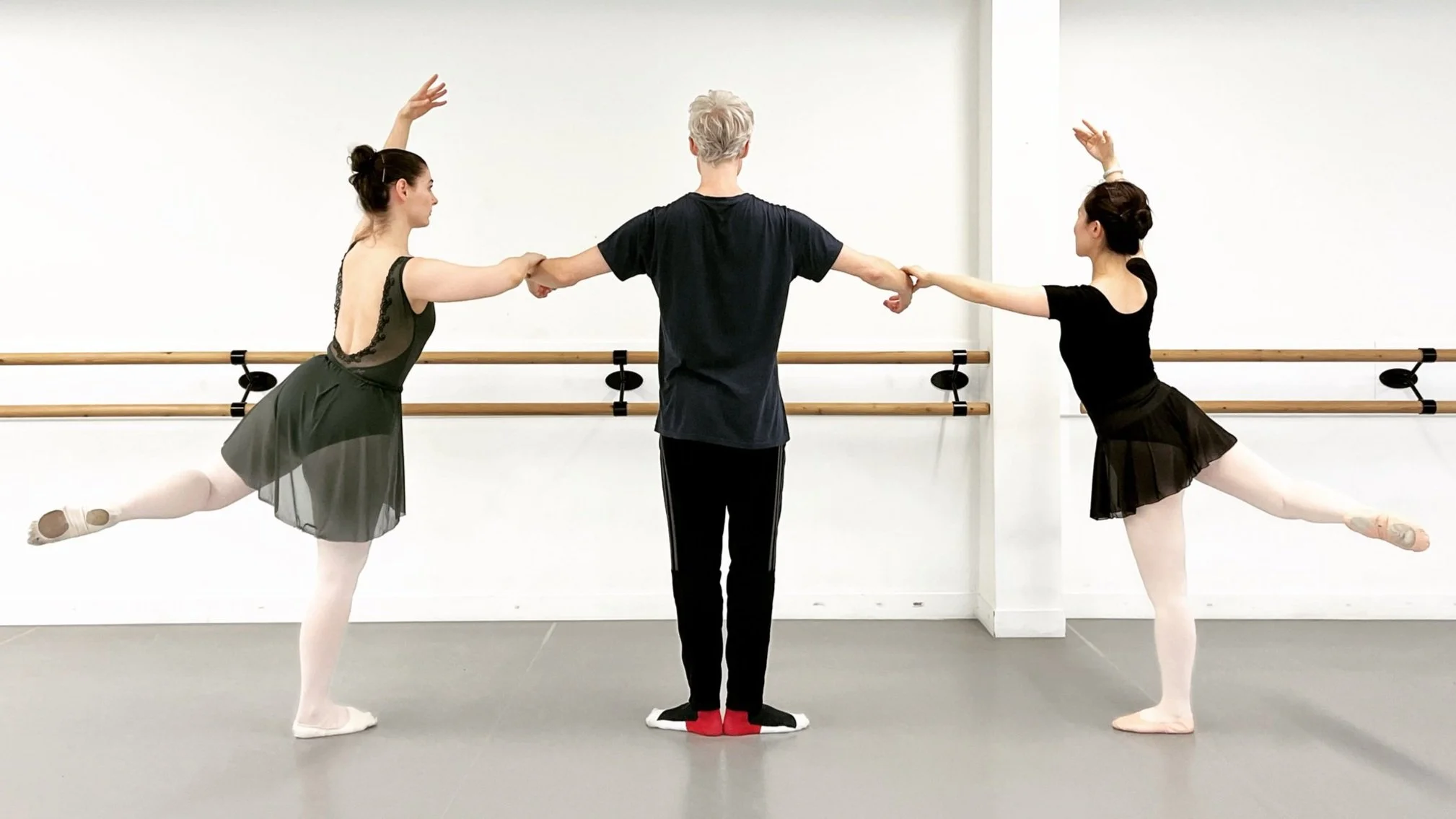
In the majority of non-professional dance schools, female students greatly outnumber other genders. From the way ballet shows and schools present themselves, there is a clear gap in the communication with the rest of the community, especially when it comes to adult ballet. The social media world for the adult learner is filled with #TutuTuesday and pointe shoes, and people of other genders might feel left out.
We asked our community why they think men, in particular, do not feel very comfortable joining a ballet class. Our students and friends acknowledged that it can be hard for a person that doesn't identify themselves as female to admit they would like to dance. Unfortunately, there is still a strong stereotype around ballet, being perceived by many as “feminine”. The feeling of shame and the fear of being mocked pushes adult men and non-binary people away from even trying it.
Most adult Ballet classes clearly target women and there are not many schools that actually consider people other than women joining their classes. Anthony, one of our students, pointed out that, when looking into many ballet schools’ websites, he could only find uniform information for women, and therefore he felt excluded from the very beginning. Additionally, most advertisement content is shared only in shades of pink, which suits students wearing pink ballet shoes. What if their shoes are brown, white or black? Will these ballet feet feel misrepresented in such a pink context?
Lack of representation extends itself to ballet shops and brands, which usually have way more extensive clothing catalogues for women than for men, their logos are based on tutus and pointe shoes, and men have a hard time identifying themselves in such environments. “There is almost nothing in shops for me”, tell us one of our male Ballerinos.
Within this context, it takes a lot of courage for a non-ciswoman to overcome all barriers and try ballet for the first time as an adult. Ballet has been perceived as a “female” activity for so long that the stereotype is hard to dismantle. However, by joining a ballet class, Ballerinxs of all genders and ages are secretly changing the world, bit by bit, and making ballet a more inclusive home for all dancing hearts.
How can STUDIO B be a part of that change and make it easier for you all? We - the entire B Family - started to rethink our methods. From our words to the way we advertise ourselves, we want to become more welcoming to you all. We partnered with Ballet Rosa Homme, a brand that puts as much effort in both men’s and women’s clothing (and that we can mix and match to suit our non-binary students); we are making efforts to share more content of all gender Ballerinxs on social media and to partner with experts in teaching male dancers; we are researching, opening the conversation, questioning ourselves, and we want everyone involved in the discussion. Please feel free to send us your opinion or to share your thoughts, which would be greatly appreciated!
Ultimately, we dance together to do some exercise, learn about movement, meet people with similar interests and enjoy ourselves. Our classes are organized and yet the environment is relaxed and fun. We laugh - a lot! So if you haven’t found your place in the ballet world yet, come and join us. Give it a try. You are welcome here and you definitely BELONG with us!
Frequently Asked Questions (FAQs)
What is the gender gap in adult ballet?
The gender gap refers to the statistical imbalance in recreational dance schools, where female students significantly outnumber non-cisfemale dancers. This is often due to traditional institutions failing to effectively reach or represent men and non-binary individuals.
Who are Ballerinos and Ballerinxs?
"Ballerino" is the traditional term for a male ballet dancer, while "Ballerinxs" is an inclusive, gender-neutral term used to represent dancers who identify outside the gender binary. STUDIO B aims to represent and welcome both groups.
Is ballet at STUDIO B welcoming to non-cisfemale dancers?
Yes. STUDIO B is actively making a move to change the industry's failings by ensuring their classical dance programmes are welcoming and representative of all genders, including Ballerinos and Ballerinxs.
Why do fewer men and non-binary people attend adult ballet?
Historically, many recreational classical dance schools have focused their environment and representation primarily on female students, which has created a barrier for other genders.
About the Author: Inês Coelho da Silva
Inês Coelho da Silva RAD RTS, Silver Swans®️, PBT®️, Pointe Fitter
Inês Coelho da Silva is the Director and Principal Teacher at STUDIO B Ballet Academy. Inês is dedicated to ensure her Adult Ballet studio is prejudice-free and that everyone, regardless of their gender, is welcome to learn ballet at any age.