Meet the Sugar Plum Fairy from the Nutcracker
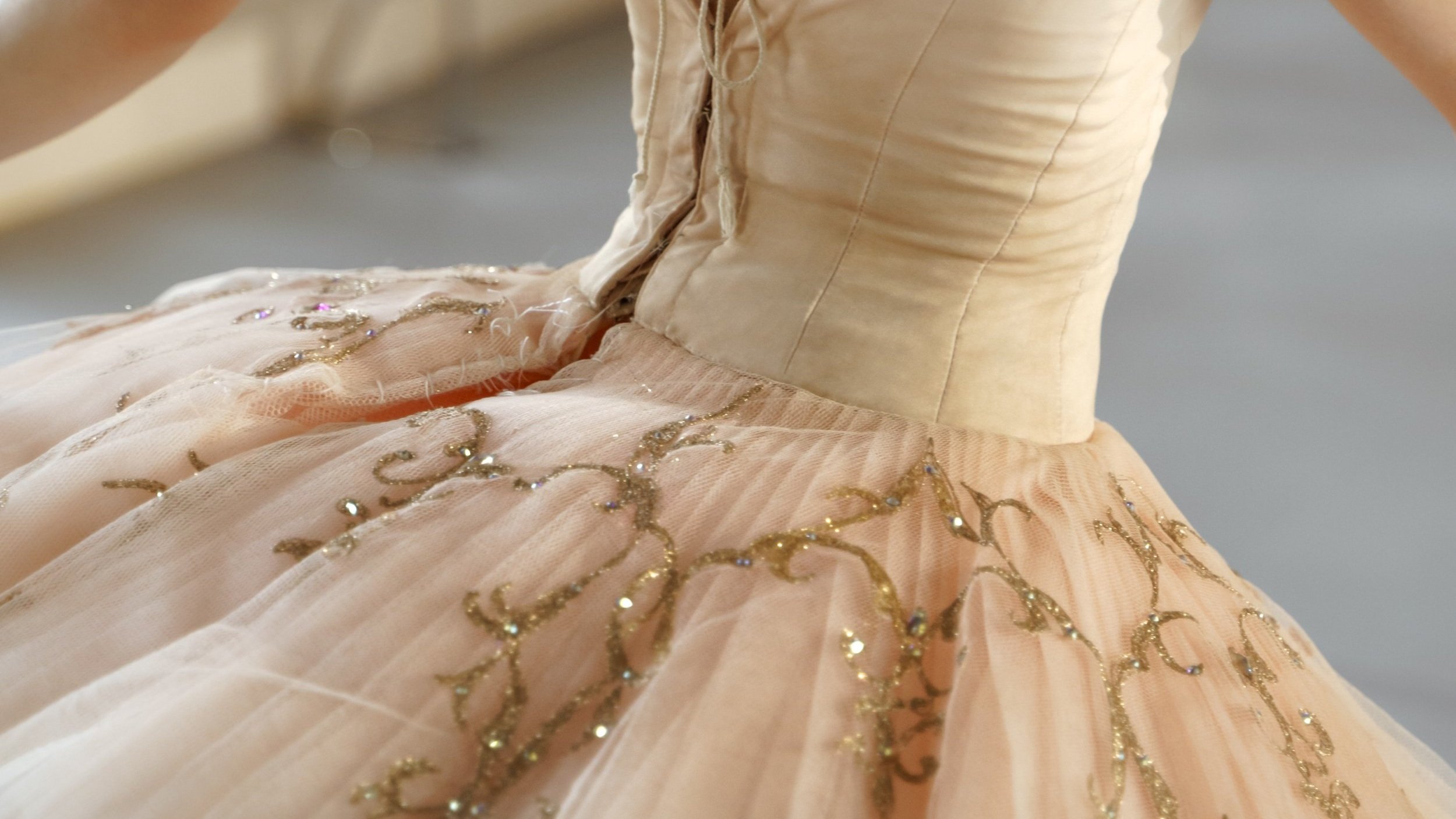
The Nutcracker is an 1892 two-act ballet, originally choreographed by Marius Petipa and Lev Ivanov with a score by Pyotr Ilyich Tchaikovsky.
Here is the story of this ballet, written by the English National Ballet:
Act 1
Clara’s bedroom
It is Christmas Eve; Clara’s family is having a party and everyone is invited. All the family is excited, especially Clara and Freddie who are looking forward to seeing their friends and Father Christmas. Clara is especially excited about seeing her best friend Charlotte whilst their mother and big sister Louise look on fondly. Outside people skate on the frozen Thames.
The Party
Dr Drosselmeyer, a rather mysterious old family friend, arrives. With him is his nephew, fresh from Military School. The guests arrive, presents are starting to gather under the Christmas tree and the children’s excitement builds. Dr Drosselmeyer introduces a puppet theatre, in which puppets perform to the delight of the guests. Louise and her three admirers are inspired to dance by the puppets’ performance. Dr Drosselmeyer presents Clara with her Christmas present – a Nutcracker doll. Clara is thrilled and begins to dance with her new much-loved gift. Freddie grabs the doll so enthusiastically from Clara that he manages to break it. In despair, Clara turns to Dr Drosselmeyer for help. He, as if by magic, manages to put the doll back together again. Clara is delighted and forgives her brother. The guests depart, the children go up to bed and the house becomes eerily quiet.
The Battle
Clara has a nightmare in which her Nutcracker is attacked by the evil Mouse King. The clock strikes midnight. Giant rats and mice led by the Mouse King appear as the living room undergoes a transformation. The Nutcracker becomes a dashing soldier and a battle between the two sides ensues. The Mouse King and his army are victorious and the Nutcracker is injured. Everything melts away to leave Clara and the Nutcracker alone as snow starts to fall.
The Land of Snow
The living room is magically turned into a winter wonderland filled with sparkling snowflakes. Clara dances with the Nutcracker who seems to be Drosselmeyer’s nephew. The Mouse King pursues Clara through the snow. Clara, the nephew and Dr Drosselmeyer escape in a balloon, flying across the glistening, frosty landscape with the Mouse King clinging onto the side.
Act 2
The Puppet Theatre
The balloon lands beside the puppet theatre. Dancers from all over the world representing China, Russia and Spain come to life and leap out of the theatre. The Mouse King is finally vanquished by the heroic nephew and a magnificent celebration begins. The dancers perform divertissements. The puppet theatre disappears to reveal a beautiful garden, amongst which dancers perform the Waltz of the Flowers. Finally, Clara dances a glorious pas de deux as the Sugar Plum Fairy with the Nephew as the Prince. They are joined by all the characters from around the world.
Suddenly Clara wakes up with a jolt back in her bedroom. Freddie and Clara run outside into the snow to wave a final goodbye to Drosselmeyer and his nephew.
For our Repertoire class, we will focus on the famous Sugar Plum Fairy and her solo variation in the third movement in the Nutcracker’s pas de deux in act 2.
The choreographer Marius Petipa wanted the Sugar Plum Fairy's music to sound like "drops of water shooting from a fountain". Tchaikovsky found the ideal instrument to do this job in Paris in 1891. It was then that he came across the recently invented celesta. This instrument looked like a piano, but it sounded like bells. Tchaikovsky wrote, "[The celesta is] midway between a tiny piano and a Glockenspiel, with a divinely wonderful sound."
Ready for some real ballet magic? Book your Repertoire classes through this link. See you fairies very soon!
About the Author: Inês Coelho da Silva
Inês Coelho da Silva RAD RTS, Silver Swans®️, PBT®️, Pointe Fitter
Inês Coelho da Silva is the Director and Principal Teacher at STUDIO B Ballet Academy. Inês is dedicated to making the discipline and beauty of ballet accessible to those with demanding modern lifestyles. Her approach was born from observing the real-world challenges of her students, focusing on sustainable progress, injury prevention, and the joy of movement, regardless of how busy the schedule.