Help: I don’t think I am improving!
Being passionate about Ballet is much more than learning a few steps. It requires commitment and patience. However, the process often feels too slow and we might be afraid we are not doing enough. How to stay motivated even when we don’t feel our dancing moving toward the next level?
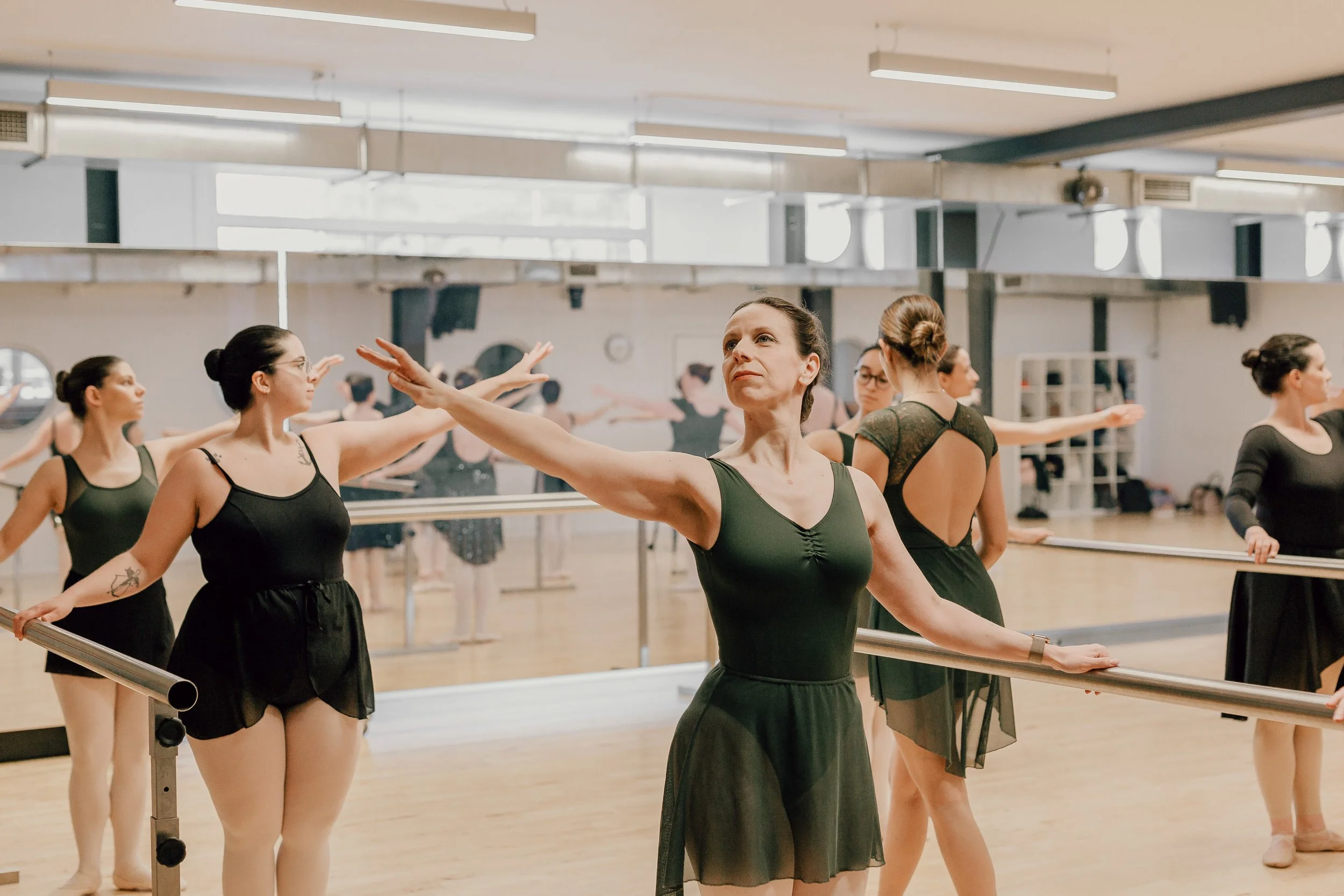
Like any other activity, there is rarely an “end goal” when it comes to dancing. As much as we might have in mind a particular movement that we want to achieve, be it a double pirouette or a well-articulated battement tendu, it is important to acknowledge that there will be no such moment in which you are perfectly satisfied with every bit of your dancing. There will be always something to achieve, a new step to learn, a better posture to conquer. This is valid whether you are just starting or twenty years into your dancing! So let’s start by stating that there are no good or bad dancers. There are dancers, doing their very best to express a narrative, a set of emotions, a combination of patterns, using their bodies - and that is what it pleases us about this form of art.
A very important factor to consider in this discussion is that starting or resuming a ballet journey as an adult brings additional challenges, such as time management or body restrictions, which may often feel like impediments to faster improvement. With such diverse backgrounds, body shapes, professional occupations, and stages of life, there is no single formula that will work for every dancer. Everyone is going to improve in different rhythms and that’s normal! Some people might have faster memory, others might have sharper coordination, and others may be naturally a bit more flexible or have more developed muscles. We all have our qualities and we must learn how to make the best out of them without comparing ourselves to others too much. Of course, we get inspired by more experienced dancers, and even to the improvement of other students, but we must remember that we are all unique and our pathways need to suit us, not the other way around!
On the other hand, the perception of improvement is relative as it depends on your expectations and it is often undervalued. Take this example: when you are 6 years old, your body changes every day. You get taller, smarter, stronger. But you are not aware of it as you grow, and you certainly don’t acknowledge it every single day. The same thing happens to your dancing: you do progress, but it is very difficult to understand what is better if you cannot directly compare it to a past experience. You become a more competent dancer every day with every practice moment, every healthy nutritious meal, and every restful night. Progress is made of small actions!
It is common for dancers to feel they have hit a plateau, but the key to overcoming this is to compare yourself to your past self, instead of to others. By focusing on your own journey, you can accurately track your progress and recognise small improvements that might otherwise go unnoticed.
Visualise Your Progress
One effective way to monitor your development is to take photographs and videos of your stretches, steps, and posture. While taking that first picture of your developpé might feel awkward, it will be incredibly rewarding when you look back and notice the difference.
Top Tip: Always take your pictures and videos from the same angle to ensure the visible changes are in your technique and not just the camera placement.
Set Concrete Goals
To maintain momentum, try writing down your goals for each class, week, month, or year. It is highly beneficial to ensure your teacher is aware of these goals. Ticking those boxes once an objective is achieved provides a concrete sense of accomplishment and something tangible to work towards.
Remember Your 'Why'
Ultimately, reflect on why you first wanted to take a ballet lesson. What is it that makes you passionate about this art form? You may find the answer lies in:
The emotions and the joy of the movement.
The fun of a new challenge.
The time spent with fellow dancers.
There is an inexplicable thrill in moving our bodies in ways we never have before, defying the laws of physics while performing and acting. Dance is as beautiful as the story it tells; a dancer is as beautiful as the emotions they carry and the joy they emanate—qualities that cannot be tracked or recorded, only felt.
Frequently Asked Questions (FAQs)
How can I track my ballet progress effectively? The best way to track progress is by comparing your current self to your past self through visual records, such as photographs or videos of your stretches and posture, and by setting written goals for your classes.
Why do I feel like I am not improving in dance? It is often because you are comparing yourself to other dancers rather than your own previous performance. Improvement is often found in small, incremental changes that are easier to spot when you have concrete goals and visual evidence of your past work.
Should I share my dance goals with my teacher? Yes. Making sure your teacher is aware of your specific goals for the week, month, or year allows them to support you better and helps you stay accountable as you work to tick those boxes
About the Author: Inês Coelho da Silva
Inês Coelho da Silva RAD RTS, Silver Swans®️, PBT®️, Pointe Fitter
Inês Coelho da Silva is the Director and Principal Teacher at STUDIO B Ballet Academy. Inês is dedicated to making the discipline and beauty of ballet accessible to those with demanding modern lifestyles. Her approach was born from observing the real-world challenges of her students, focusing on sustainable progress, injury prevention, and the joy of movement, regardless of how busy the schedule.